

Discover the importance of iron for health, its sources, absorption factors, and supplementation options to prevent deficiency and support overall wellness.
Iron is an essential nutrient crucial for oxygen transport, energy production, immune health, and cell growth. It exists in two forms: heme iron, which is more easily absorbed and found in meat, seafood, and poultry, and non-heme iron, which comes from plant-based sources such as beans, nuts, vegetables, and fortified grains.
Since the body cannot actively eliminate excess iron, its levels depend on the amount absorbed in the intestines. On average, people consume 10–15 mg of iron daily, but only a small amount is absorbed.
Several dietary factors influence iron absorption—vitamin C and protein improve absorption, while calcium, phytates, and polyphenols can reduce it.
Maintaining balanced iron levels is crucial to prevent iron deficiency anemia. Individuals at risk of deficiency include children, teenagers, pregnant women, and those who lose iron due to poor diet, poor absorption, or chronic blood loss.
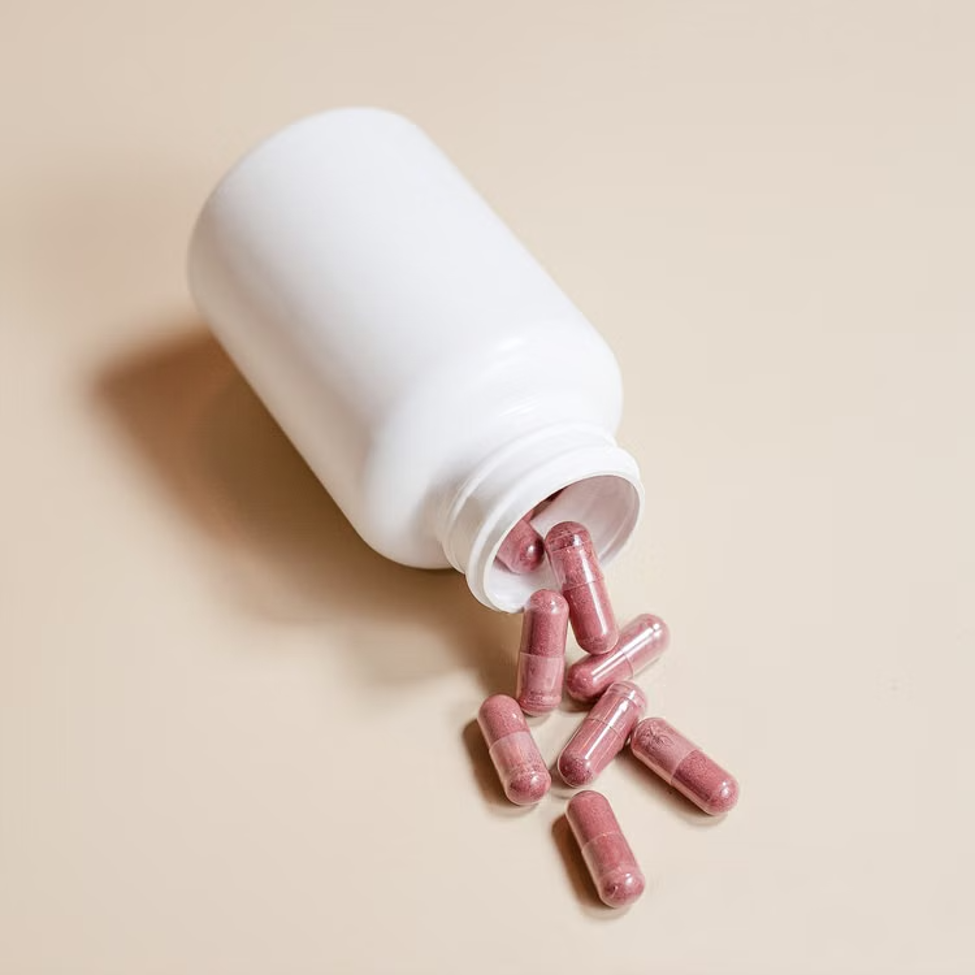
Iron supplements can help restore iron levels but may cause digestive side effects, such as nausea and constipation, especially at higher doses. Taking iron with food can reduce these effects.
Additionally, certain forms of iron, such as heme iron polypeptides and iron amino-acid chelates, may be easier on the stomach.
Vitamin C can also help boost absorption by keeping iron soluble in the digestive tract. Iron hydroxide adipate tartrate (IHAT) is a newer form of iron that shows bioavailability comparable to the gold standard, ferrous sulfate, and may be gentler on the gastrointestinal tract.
CLICK HERE to learn more about Iron insufficiency, health consequences, etc.