

High-dose biotin supplements can interfere with lab test results. Learn the potential risks and recommendations for biotin use before testing.
Biotin (vitamin B7) is an essential nutrient that helps the body use amino acids, fats, and glucose for energy and other metabolic processes.
Most adults need only about 30 micrograms (µg) per day, which is generally easy to obtain from foods such as fruits, vegetables, whole grains, salmon, chicken, nuts, and dairy products. Gut bacteria may also contribute some biotin.
Deficiency is uncommon but can occur with certain genetic conditions, restricted diets, frequent consumption of raw egg whites, or reduced production by gut bacteria.
Despite the low daily requirement, high-dose biotin supplements containing several milligrams are commonly promoted for hair, skin, and nail health.
High doses of biotin can interfere with many laboratory tests, causing results to appear falsely high or falsely low.
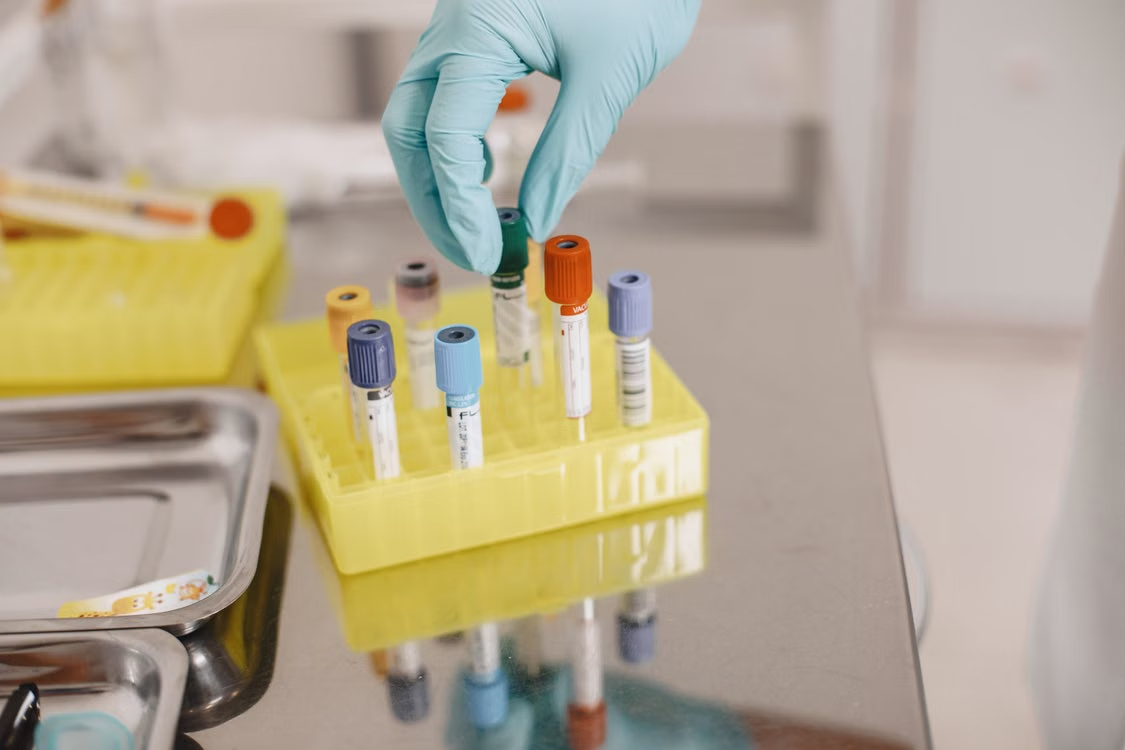
Thyroid tests are particularly vulnerable, but biotin may also affect tests for cardiac troponin, hormones, insulin, ferritin, folate, vitamins B12 and D, and other important biomarkers.
Doses up to 1 mg per day appear less likely to cause interference, while doses of 5 mg or more may affect some tests.
People taking 5–10 mg of biotin should generally wait at least 8 hours after their last dose before having laboratory testing, while those taking very high doses of 100 mg or more may need to wait at least 72 hours.
Because recommendations can vary by test and dose, it is important to inform your healthcare provider and laboratory about any biotin-containing supplements before blood testing.
CLICK HERE to learn more about Biotin supplementation and lab test interference.