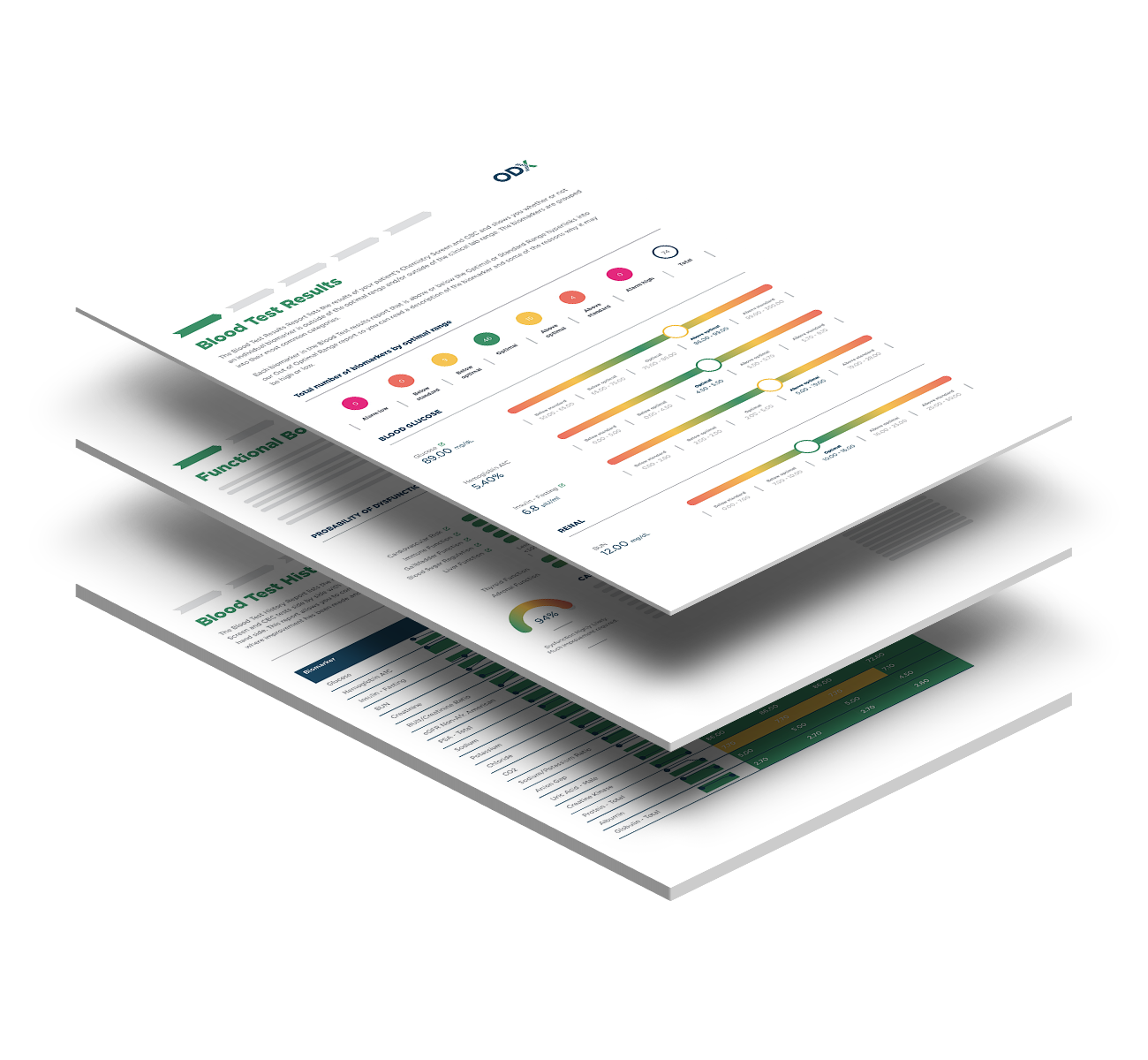


Understand how eGFR changes with age and why a lower threshold can better indicate kidney health in older adults. Learn more about interpreting these vital kidney function results.
eGFR estimates how well the kidneys filter waste from the blood. It's calculated using creatinine, age, and sex.
Because age is part of the formula, an older adult can show a lower eGFR even when creatinine is optimal. A lower eGFR in an older person doesn't automatically mean kidney disease.
Kidney filtration declines with age. Average eGFR is about 85 for people ages 60–69 and about 75 for people over 70, even without kidney disease.
An eGFR between 60 and 89 only points to chronic kidney disease when there are other signs of kidney damage, such as protein or blood in the urine. CKD is usually defined by an eGFR below 60 for at least 3 months and/or clear evidence of kidney damage.
Context is what makes the number useful. Creatinine, BUN, the BUN/creatinine ratio, urine markers, medications, hydration, muscle mass, diet, and trends over time all matter. A stable eGFR in the 80s with optimal creatinine and no protein in the urine is different from an eGFR that keeps dropping year after year.
How to explain a below-optimal eGFR to a patient, when to reassure, and when to dig deeper: the full clinical breakdown is in the Resource Center.
OPTIMAL DX MEMBERS CLICK HERE to learn more about evaluating eGFR, health implications, etc.