

Discover common nutrient deficiencies and their impact on health. Learn how your dietary needs change with age and how to address shortfalls effectively.
Food gives your body the fuel and building blocks it needs to work.
Your diet has two main types of nutrients. Macronutrients include carbs, fats, and protein, and they give you energy. Water is also a macronutrient but provides no calories or energy. Micronutrients include vitamins and minerals.
Your body needs them to grow and to run almost every process inside you. When you don't get enough over time, your risk of heart disease, diabetes, and cancer goes up.

Your needs change as you age.
Babies and kids need more nutrients for their size because they're growing. Older adults need more vitamin D but less iron and fewer calories.
People fall short for many reasons. Some don't have enough food or make poor food choices.
Others have health problems that make it hard to eat or absorb food, like eating disorders, trouble swallowing, frequent vomiting, or digestive diseases. Low nutrient levels can lead to poor growth, slow wound healing, more infections, and problems with thinking and learning.
Shortfalls are common, even in the US. Nearly 9 in 10 adults don't get enough vitamin D or vitamin E.
About half fall short on vitamin A, calcium, and magnesium. Many kids also miss out on calcium, magnesium, and vitamins D, E, and K. About 3 in 10 adults take a multivitamin and tend to have fewer gaps.
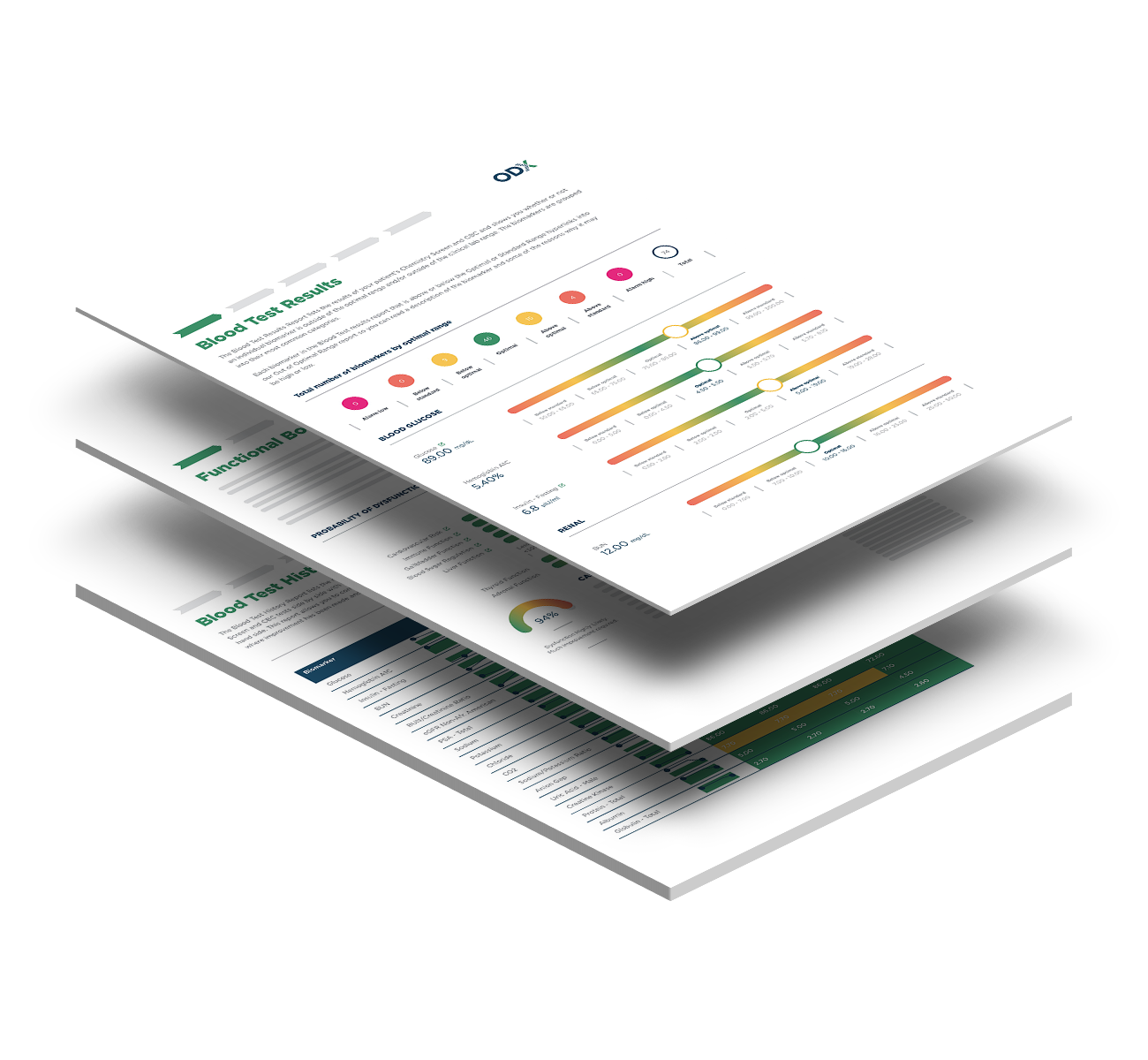
Researchers estimate that better diets could prevent about 1 in 5 deaths worldwide. Blood tests can help tell if you are on the right nutrition track.
CLICK HERE to learn more about Nutritional Deficiencies and Human Health