

Discover how low stomach acid may be the hidden cause of your digestive issues and nutrient deficiencies. Learn more about hypochlorhydria and its effects.
Most people think stomach acid is something to reduce. But having too little stomach acid can also cause problems.
Low stomach acid, called hypochlorhydria, can make it harder to digest food, absorb important nutrients, and defend against harmful bacteria. It may even contribute to symptoms that are commonly blamed on too much stomach acid, such as heartburn or acid reflux.
Stomach acid does much more than help break down food. It also:
Several conditions can reduce stomach acid production, including:
Low stomach acid can contribute to:

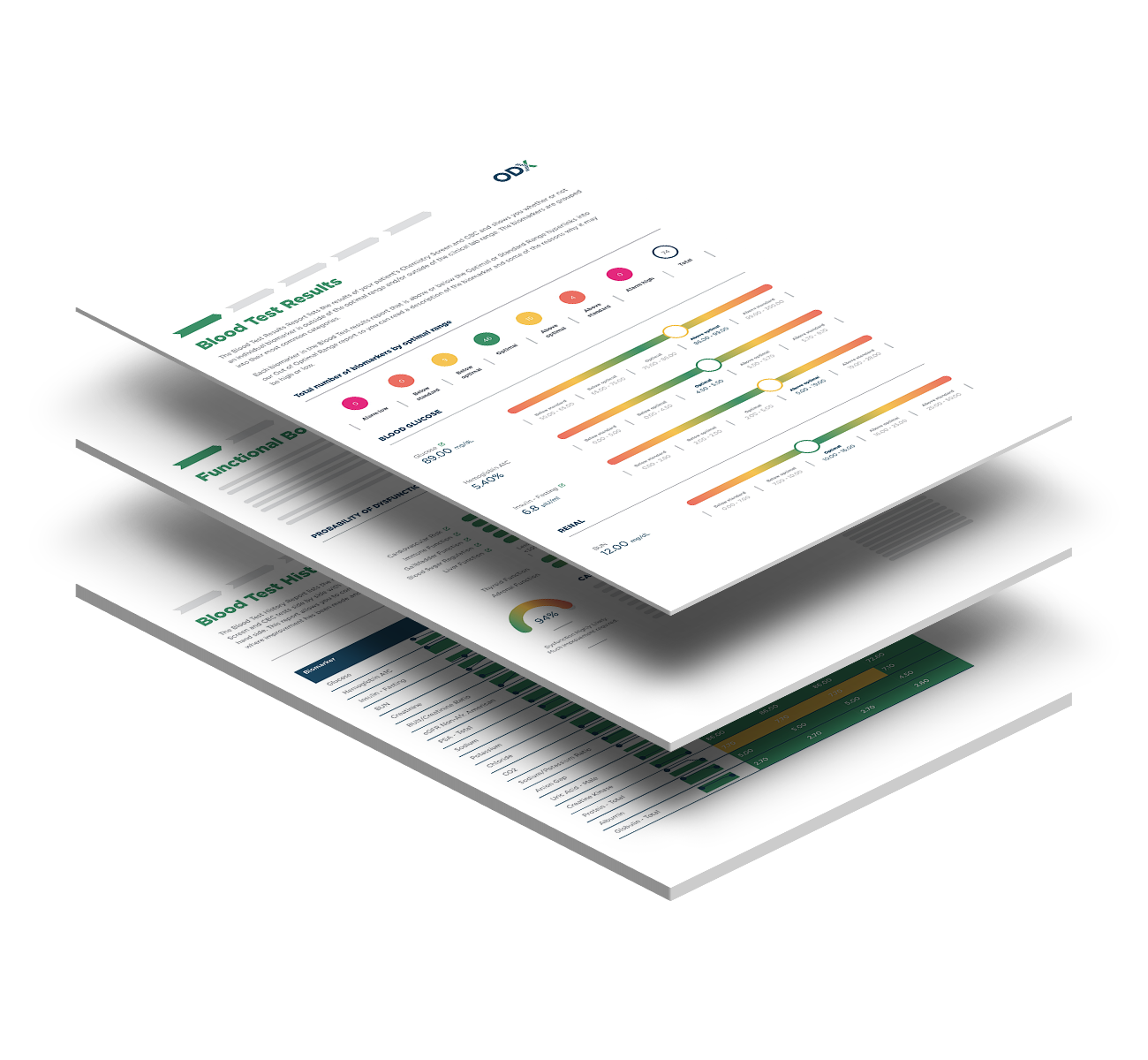
Healthcare providers can look for patterns in routine blood tests that may suggest low stomach acid. Markers such as vitamin B12, iron, ferritin, albumin, globulin, and gastrin can provide helpful clues when considered together with symptoms.
Low stomach acid is often overlooked, yet it can affect digestion, nutrient absorption, and overall health. If digestive symptoms or unexplained nutrient deficiencies persist, discussing the possibility of hypochlorhydria with your healthcare provider may help identify an underlying cause.
CLICK HERE to learn more about Hypochlorhydria, biomarkers, signs, and symptoms.