

Discover how tiny microbes can transform PET plastic waste into useful compounds, offering a potential solution to the plastic pollution crisis while highlighting sustainable practices.
Plastic: It’s bad, but it’s good, but it’s bad…
Plastic is one of those things that you hate to love. It is convenient and practical for storage, transport, and even medical devices.
But it is toxic.
We may have some good news and promising solutions based on microorganisms that can convert toxic polyethylene terephthalate (PET) plastic into useful compounds such as adipic acid.
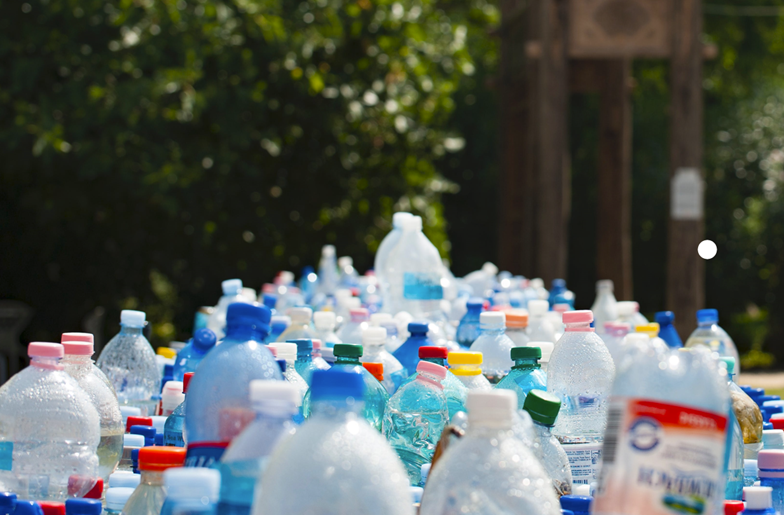
PET is often used for single-use items such as water bottles (MILLIONS of them!). In fact, more than 80% of PET produced is currently used for single-use.
The scientists at Edinburgh University in Scotland used E. coli bacteria to enzymatically convert PET to adipic acid, a precursor to nylon, cosmetics, and petrochemicals.
Adipic acid is currently derived from petrochemical oil via a high-energy process that releases nitrous oxide, a harmful greenhouse gas. Therefore, producing it using a low-energy process that avoids fossil fuels may be considered more environmentally friendly.
But we can’t feel too warm and fuzzy about it because adipic acid can then be used for the production of toxic compounds such as plasticizers and polyurethane.
Upcycling plastic waste by breaking it down with microorganisms may be part of the solution to the 55,000 pounds (25M tons) or more of PET plastic waste humans generate each year.
Converting plastic into nontoxic compounds may be the best use of genetic engineering. Using genetic engineering to splice insecticide-producing genes into food crops or facilitating the use of toxic herbicides is controversial and inappropriate.
Of course, upcycling is great, but it is always OPTIMAL to reduce your use of plastic altogether by

Shout out to GoodNewsNetwork.org for focusing on the important things! Good News Network. https://www.goodnewsnetwork.org/scientists-engineered-a-bacteria-to-eat-plastic-bottles-and-transforming-them-into-useful-liquids/
Karlsson, Emma et al. “Adipic acid tolerance screening for potential adipic acid production hosts.” Microbial cell factories vol. 16,1 20. 1 Feb. 2017, doi:10.1186/s12934-017-0636-6
Valenzuela-Ortega, Marcos, et al. "Microbial Upcycling of Waste PET to Adipic Acid." ACS Central Science (2023).
CLICK HERE to learn more about the Sustainable removal of microplastics.