



When people think about bone health, calcium and vitamin D usually come to mind. But research is showing that another player matters too: the gut microbiota—the trillions of microbes living in the digestive tract.
These microbes don’t just help with digestion; they also influence how bones are built, maintained, and renewed over time.
Bones are not static. They are constantly being broken down and rebuilt. The gut microbiota helps guide this process through several connected pathways:
Gut microbes help regulate the immune system, including signals that affect how quickly bone is broken down or rebuilt. A balanced immune response supports healthier bone remodeling.
Gut bacteria produce substances called short-chain fatty acids (SCFAs) and other signaling molecules. These compounds can communicate directly with bone cells and influence bone remodeling.
A healthy gut microbiota supports the absorption and handling of key bone nutrients, including calcium, magnesium, vitamin D, and vitamin K—nutrients bones rely on to stay strong.
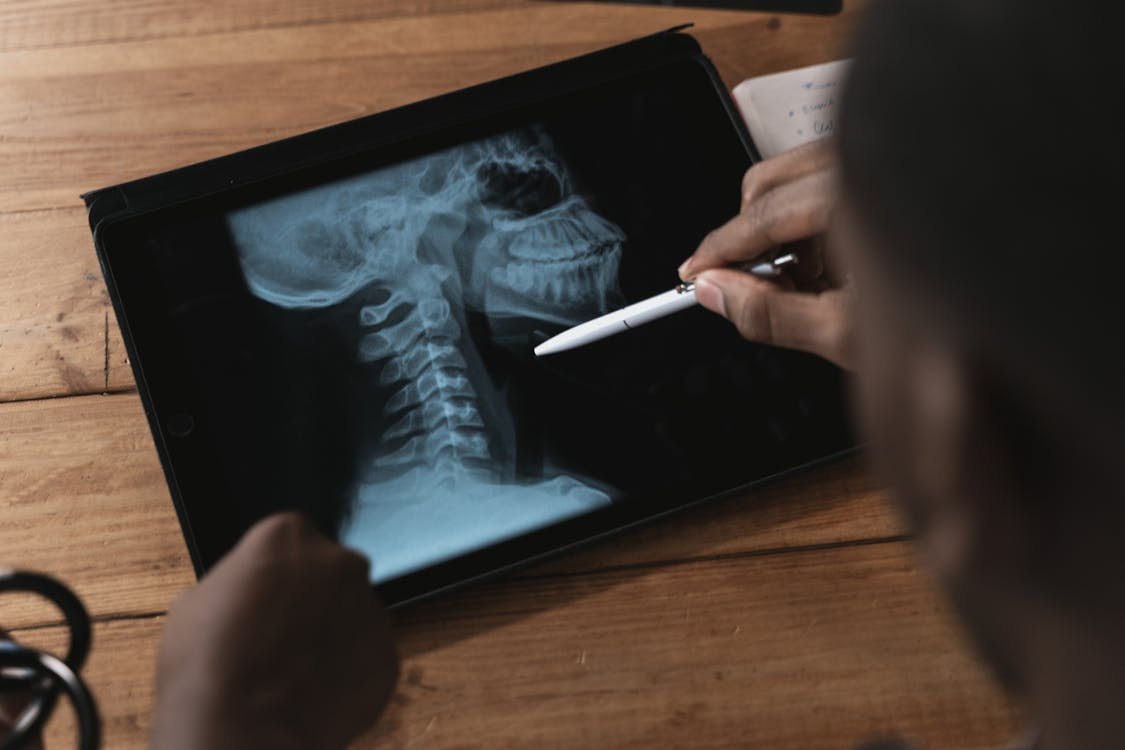
When gut microbes are diverse and balanced, these systems tend to work smoothly. When that balance is disrupted—often called dysbiosis—communication between the gut and bones can change. Research in animals shows that the absence of gut microbes affects bone density and structure, while human studies suggest that people with osteoporosis often have different gut microbial patterns than those with healthier bones.
What you eat strongly shapes the gut microbiota. Diets rich in fiber from fruits, vegetables, legumes, and whole grains help support microbial diversity and beneficial metabolite production. In contrast, diets high in processed foods, refined sugars, and saturated fats may disrupt the gut microbiota and are often linked to poorer bone outcomes.
Scientists are exploring ways to support bone health by improving gut health. These include targeted probiotics, fiber-rich and plant-based diets, and other microbiome-focused approaches.
While this research is still evolving, it highlights an important idea: supporting gut health may be another way to support strong, healthy bones over time.
OPTIMAL DX MEMBERS CLICK HERE to learn more about Bone health and the Microbiota, health benefits, etc.


