

Discover how magnesium deficiency and stress are interconnected, and learn how proper magnesium intake can help alleviate symptoms like fatigue and irritability.
Magnesium is a mineral your body uses for hundreds of functions, and most people don't get enough of it. That's a problem on its own, but it gets worse when you factor in stress, because the two have a way of making each other worse.
|
Most Frequently Reported Symptoms of Stress |
Symptoms of Magnesium Deficiency |
|
Fatigue |
Tiredness |
|
Irritability or anger |
Irritability |
|
Feeling nervous |
Mild anxiety/nervousness |
|
Lack of energy |
Muscle weakness |
|
Upset stomach |
Gastrointestinal spasms |
|
Muscle tension |
Muscle cramps |
|
Headache |
Headache |
|
Sadness/depression |
Mild sleep disorders |
|
Chest pain/hyperventilation |
Nausea/vomiting |
Note: Similar symptoms are highlighted in bold
When you're stressed, your body releases hormones that push magnesium out of your cells and into your bloodstream, where it's filtered by your kidneys.
So the more stressed you are, the more magnesium you lose.
The problem runs the other way too. Magnesium helps your nervous system calm down. It acts as a natural brake on your stress response, keeping things like cortisol and adrenaline in check.
When your magnesium is low, that brake gets weaker, and your body overreacts to stress more easily.
You end up anxious, tired, and irritable, which are also the exact symptoms of magnesium deficiency, so it can be hard to tell what's driving what.
Everyday habits make this worse.
Caffeine, alcohol, high-sodium diets, and some common medications all reduce how much magnesium your body holds onto. Pregnancy, aging, and conditions like diabetes increase how much you need.
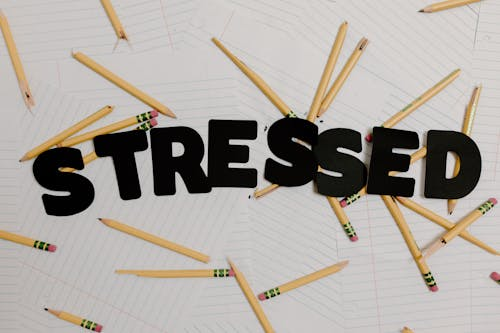
Studies found that 45 to 60% of people dealing with chronic stress or poor sleep were already low in magnesium, often without knowing it.
The good news is that magnesium supplementation is safe and well-tolerated for most people. Research shows it can help with stress-related symptoms like fatigue, irritability, and sleep problems.
If you're regularly stressed, it's worth paying attention to your magnesium intake, whether through food (leafy greens, nuts, seeds, whole grains) or a supplement.
Pickering, Gisèle et al. “Magnesium Status and Stress: The Vicious Circle Concept Revisited.” Nutrients vol. 12,12 3672. 28 Nov. 2020, doi:10.3390/nu12123672 http://creativecommons.org/licenses/by/4.0).
OPTIMAL DX MEMBERS CLICK HERE to learn more about Magnesium and stress, health consequences, etc.