

Discover the vital role of minerals in health, the importance of balance, and how to address deficiencies for optimal well-being. Learn more today.
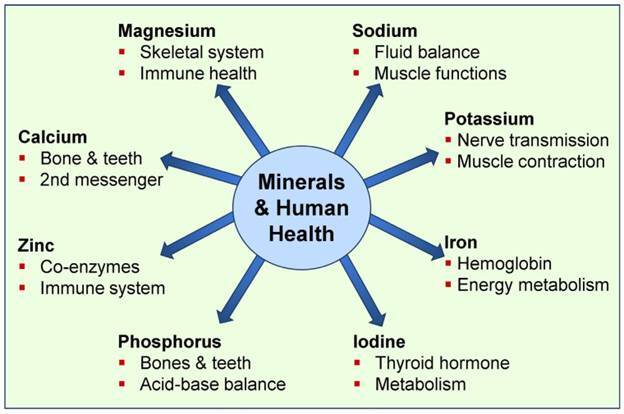
Minerals are essential nutrients the body needs to function, and getting the right amount matters as much as getting enough. There are two main categories: macrominerals, such as calcium, magnesium, phosphate, and trace minerals, such as iron, zinc, and selenium.
Each plays specific roles, from building bones and producing energy to supporting the immune system and regulating hormones. Calcium, magnesium, and phosphate receive the most attention because they account for about 98% of the body's mineral content and interact closely with one another.
Too little of a mineral causes deficiency-related diseases, but too much can be just as harmful.
Low calcium leads to brittle bones and heart rhythm problems, while too much calcium can cause kidney stones and arterial calcification.
The relationship between calcium and magnesium is a largely overlooked but important marker of health.
The ratio between the two, ideally around 2:1, affects vitamin D function, metabolic health, and cardiovascular risk. The modern Western diet, high in calcium and low in magnesium, tends to push this ratio in the wrong direction.
Mineral imbalances hit some groups harder than others, including pregnant women, children, and the elderly, and genetic disorders can disrupt mineral metabolism entirely.
Better public health education, smarter food labeling, and targeted supplementation for at-risk populations could go a long way.
The bottom line is that maintaining mineral balance through a varied diet and supplementing carefully when needed is one of the more straightforward things people can do to protect long-term health.
When it comes to minerals, too much may be just as risky as too little.
Mineral deficiency can sabotage metabolism and overall health, while toxicity has consequences as well. For example, excess iron, calcium, or sodium can damage organs, disrupt heart rhythm, and accelerate aging. More is not always better when it comes to supplements.
The calcium-magnesium ratio matters. Most people focus on getting enough calcium, but magnesium is just as important. The two minerals work against each other when out of balance, and most Western diets already skew too high in calcium relative to magnesium.
Magnesium is widely underappreciated. Low magnesium is linked to muscle cramps, migraines, high blood pressure, poor sleep, insulin resistance, and impaired vitamin D function. It is one of the more common and consequential deficiencies.
Processed foods often lack important minerals but can also contribute to toxicity. For example, phosphate additives in processed and packaged foods contribute to phosphate toxicity, which is linked to cardiovascular disease, kidney damage, and metabolic disorders. Avoiding processed food reduces this risk.
Certain groups need extra attention: pregnant women, older adults, vegetarians, and people with chronic illnesses are most vulnerable to mineral deficiencies. For these groups, routine monitoring and guided supplementation can make a meaningful difference.
Razzaque, Mohammed S, and Sunil J Wimalawansa. “Minerals and Human Health: From Deficiency to Toxicity.” Nutrients vol. 17,3 454. 26 Jan. 2025, doi:10.3390/nu17030454 https://creativecommons.org/licenses/by/4.0/
OPTIMAL DX MEMBERS CLICK HERE to learn more about Minerals, health benefits and consequences, etc.