


Discover how isoprostanes indicate oxidative stress in the body, their links to various health issues, and how diet and lifestyle can influence levels.
F2-isoprostanes (IsoPs) are substances your body makes when free radicals damage arachidonic acid, an omega-6 fat found in your cell membranes.
This damage is called oxidative stress.
A urine test that compares IsoP levels to creatinine is considered the most reliable way to measure it. The test shows overall oxidative damage in the body, but it can't point to a specific disease.
High IsoP levels show up in people with heart disease, diabetes, obesity, metabolic syndrome, chronic inflammation, and brain disorders.
Smoking, high blood sugar, low HDL cholesterol, and high LDL cholesterol can double IsoP levels or more.
IsoPs also do harm on their own. They can narrow blood vessels and make blood more likely to clot, further raising heart disease risk. Because of this, the test helps track heart risk and check whether antioxidant treatments or lifestyle changes are working.
Low levels are usually not a concern. They often go with good blood sugar control, regular exercise, not smoking, and getting enough antioxidants. Still, a low result doesn't rule out every problem linked to oxidative stress.
Diet matters too.
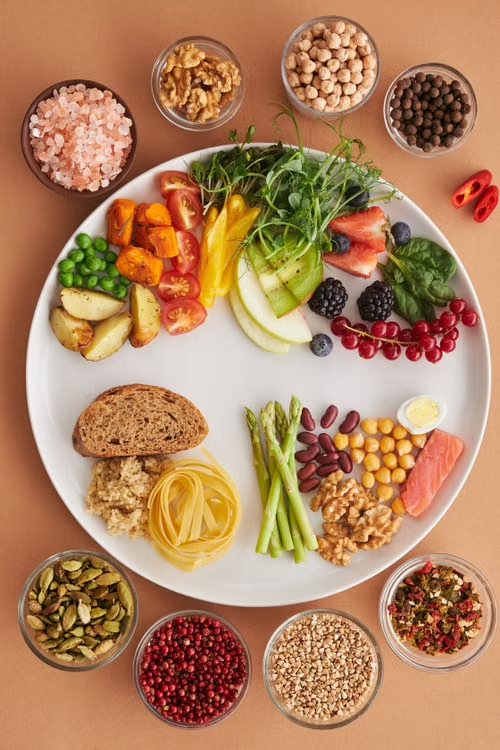
Fruits, vegetables, whole grains, nuts, seeds, and omega-3 fish oils (EPA and DHA) are linked to lower levels.
Red meat, processed meat, refined grains, butter, fried potatoes, and inactivity are linked to higher levels.
IsoPs measure how much oxidative damage your cells are under, and the urine test is the best way to check them.
High levels are tied to heart disease, diabetes, obesity, smoking, and inflammation, and they can raise heart risk directly.
The test doesn't diagnose a specific disease. A high result warrants further investigation.
Low levels are generally a good sign but don't guarantee everything is fine.
You can lower IsoPs with a plant-rich diet, omega-3s, exercise, blood sugar control, and quitting smoking.
CLICK HERE to learn more about F2 Isoprostanes