


Explore natural methods to remove microplastics from water using substances like Moringa seeds and shrimp shell extract, offering safer alternatives to harsh chemicals.
Plastic pollution is everywhere — including in our drinking water. Over time, larger plastic items break down into tiny pieces called microplastics, which are so small they pass right through most water treatment systems.
Scientists have been searching for better, safer ways to remove these particles from our water supply.
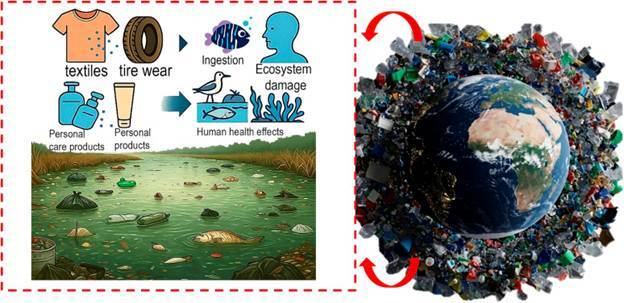
Microplastics common sources and impacts on the environment and health.
Natural substances — like ground-up Moringa tree seeds, shrimp shell extract, cactus gel, and even certain bacteria — can be used to clump plastic particles together, causing them to sink to the bottom and be removed. Think of it like adding a natural "glue" to water that grabs onto plastic pieces and pulls them down.
Researchers found that these natural options work well and are much safer than the harsh chemicals currently used in water treatment plants.
They produce less toxic waste, are biodegradable, and are often cheaper.
The best results came from mixing small amounts of natural substances with small amounts of traditional chemicals — a combination that removed nearly all plastic particles from the water in tests.
The main problems are that very tiny plastic particles are still hard to catch, natural ingredients can vary in quality depending on where and when they are harvested, and they have not yet been tested enough in real-world conditions outside the lab. More research and larger-scale testing are still needed before these methods can be widely used.
Natural "glues" can pull plastic out of water.
Substances like Moringa seed powder and shrimp shell extract act like a magnet for plastic particles, causing them to clump together and sink so they can be filtered out — no harsh chemicals required.
These natural options are safer and greener than current methods.
They cut the environmental footprint of water treatment nearly in half, produce biodegradable waste instead of toxic sludge, and eliminate the risk of harmful metal residues ending up in drinking water.
The tiniest plastic particles remain a serious unsolved problem. Current natural treatments still only catch about 60–70% of the smallest plastic fragments — and those are actually the most dangerous ones, since they are small enough to enter the human body through food and water.
These solutions are promising but not yet ready for wide use.
Badawi, Ahmad K et al. “Sustainable coagulative removal of microplastic from aquatic systems: recent progress and outlook.” RSC advances vol. 15,31 25256-25273. 16 Jul. 2025, doi:10.1039/d5ra04074d https://creativecommons.org/licenses/by-nc/3.0/
OPTIMAL DX MEMBERS CLICK HERE to learn more about Removing microplastics, health effects, etc.


