

Discover how vibration therapy, including devices like Osteoboost, may enhance bone health and support density, particularly for those unable to engage in traditional exercise.
Most people think of exercise when they think about building stronger bones. But researchers are exploring another approach: vibration therapy.
Bones are constantly being rebuilt. Activities such as walking, climbing stairs, and resistance training place stress on the skeleton, signaling bone cells to maintain or strengthen bone tissue.
When the body experiences less mechanical stress, such as during prolonged inactivity, bone loss can accelerate, and fracture risk may increase.
Scientists have developed devices that deliver gentle vibrations to the body. These vibrations create mechanical signals that may stimulate bone-building activity.
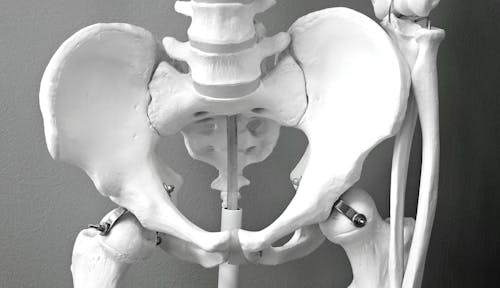
One example is Osteoboost®, an FDA-approved wearable belt designed for postmenopausal women. The device delivers low-magnitude, high-frequency vibrations to the hips and lower spine—areas that are especially vulnerable to fractures.
In a 12-month clinical trial, women used either the Osteoboost belt or a sham device. Participants who used the vibration belt consistently experienced less loss of spinal bone strength and density than women using the sham device.
The treatment was generally well tolerated, and no serious device-related side effects were reported.
Researchers have also studied whole-body vibration platforms that users stand on during exercise sessions.
A large review of clinical trials found that whole-body vibration may improve bone mineral density in postmenopausal women, particularly in the lumbar spine. The most effective programs used high-frequency, low-magnitude vibrations delivered over many sessions.
Vibration therapy is not a replacement for exercise, good nutrition, or other bone-health strategies. However, early research suggests that targeted vibration may help support bone density and strength, especially for people who have difficulty performing impact exercise. Longer studies are still needed to determine whether these improvements ultimately translate into fewer fractures.
OPTIMAL DX MEMBERS CLICK HERE to learn more about Vibrational medicine, bone health, etc.