



Explore how the APOE gene influences brain health and the role of meat in the diet. Discover insights on nutrition and Alzheimer's risk in this informative post.
Everyone has a gene called APOE, but different versions of it can change Alzheimer’s risk. One version, called APOE-e4, is linked to a higher chance of developing the disease. But having this gene doesn’t mean someone will definitely get Alzheimer’s—it just changes risk.
Researchers are exploring whether people with APOE-e4 respond differently to certain diets. In one long-term study of older adults, those with APOE-e4 who ate more meat tended to have better memory and thinking over time. Interestingly, this benefit was not seen in people without APOE-e4.
The type of meat also mattered. Diets higher in processed meat were linked to a greater risk of dementia, no matter a person’s genetics. Unprocessed meats, such as poultry and red meat, did not show the same negative pattern.
It’s possible that people eating more meat simply had better overall protein intake, which supports brain health. Other research suggests that a variety of protein sources—such as fish, dairy, beans, and nuts—may also help protect cognitive function.
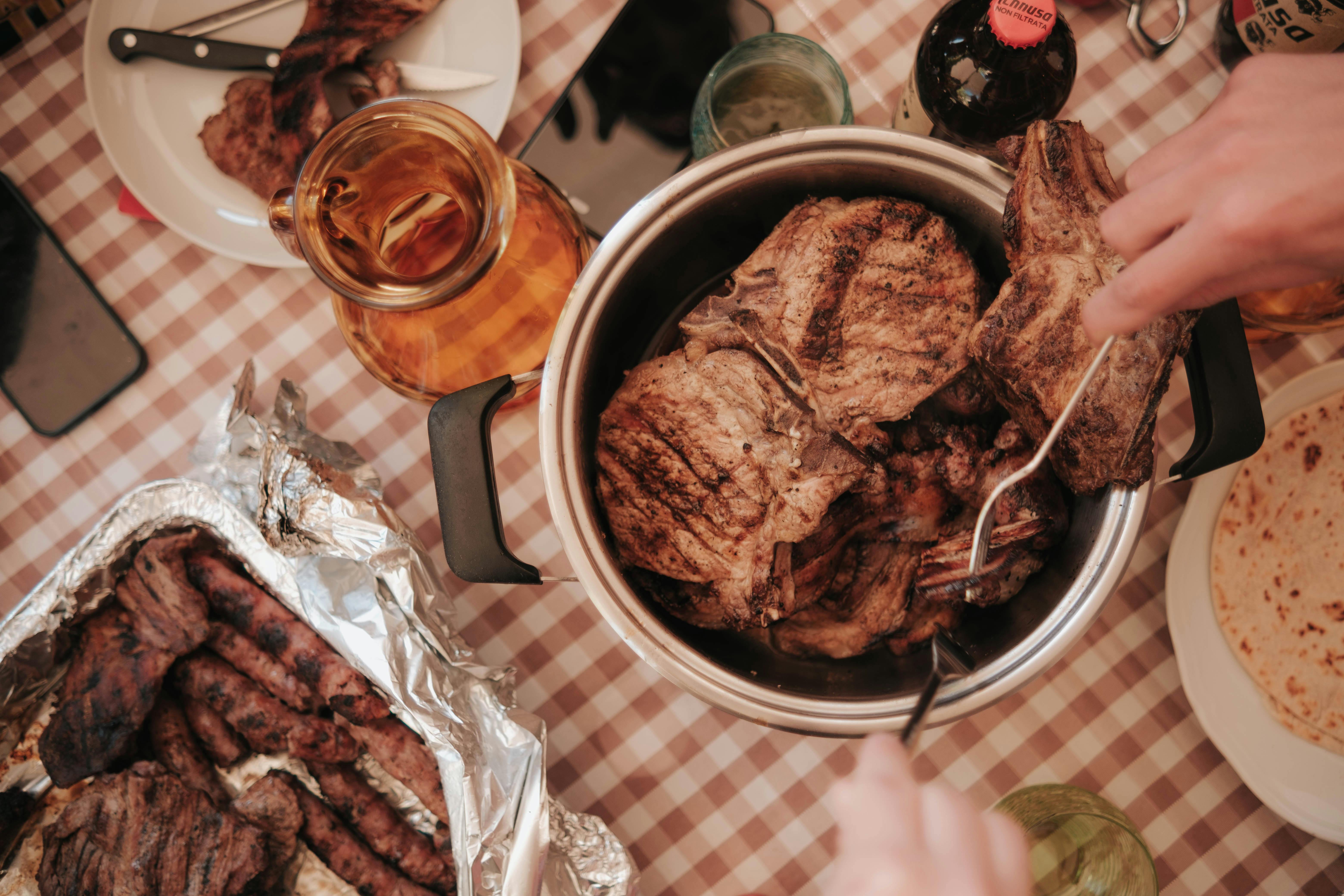
These findings are interesting but not definitive. This type of study cannot prove that eating more meat will prevent Alzheimer’s. More research is needed, especially studies that test how different diets affect people based on their genetics.
Your genes may influence how your diet affects your brain—but balanced nutrition still matters most.
And, if someone calls you a meathead, take that as a compliment!
OPTIMAL DX MEMBERS CLICK HERE to learn more about Meat and Alzheimer's, health consequences, etc.


