

Learn about mercury toxicity, its health effects, diagnostic methods, and treatment options, including dietary approaches to detoxification.
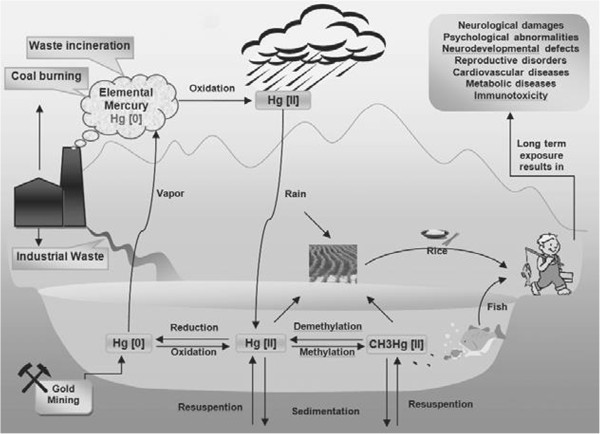
Mercury is a toxic metal that enters the body through contaminated seafood, old dental fillings, certain occupations like mining, and even everyday items like fluorescent light bulbs. Once inside, it damages nearly every major organ system — the brain, heart, kidneys, lungs, and skin. It is particularly dangerous for pregnant women because methyl mercury crosses the placenta and accumulates at higher concentrations in the fetus than in the mother, potentially causing lifelong neurological problems in the child.
The brain takes some of the hardest hits. Chronic exposure can cause memory loss, difficulty concentrating, depression, anxiety, and personality changes. The heart is also at risk — mercury has been linked to coronary heart disease, high blood pressure, and thickening of the arteries. The kidneys are especially vulnerable to inorganic mercury, which accumulates in the kidneys' filtering tubes, causing protein in the urine and, in severe cases, kidney failure.
Testing depends on the type of mercury exposure. Urine testing works well for elemental and inorganic mercury, but organic mercury — like the kind found in fish — is excreted mainly in feces, making urine tests unreliable for that form. Hair and nail testing can also reveal past exposure, particularly from seafood.
Know your testing options. Not all mercury tests are equal. Urine works for some forms, while hair, nails, or stool testing may be needed for others — especially if your exposure came from fish consumption.
The main medical treatment is chelation therapy. Prescription chelating agents like DMSA work by binding to mercury and pulling it out through urine. The WHO recommends starting DMSA in children with elevated urinary mercury even when they show no symptoms yet.
The wrong treatment can make things worse. One older drug called BAL, still used for some heavy metal poisonings, should never be used for organic mercury. BAL can actually increase mercury levels in the brain and worsen neurological symptoms in those cases.
Food can help your body detox mercury. Chlorella and cilantro have been shown to help remove mercury and other heavy metals from the gastrointestinal tract, muscles, connective tissue, and bone. These are practical, accessible dietary additions that may support mercury clearance alongside medical treatment.
Pregnant women need extra caution. The WHO advises monitoring mercury levels in pregnant women's hair, as concentrations at or above 10 ppm raise the risk of neurological problems in their children. Limiting high-mercury fish like tuna during pregnancy is a straightforward protective step.
Rafati-Rahimzadeh, Mehrdad, et al. "Current Approaches of the Management of Mercury Poisoning: Need of the Hour." Daru: Journal of Pharmaceutical Sciences, vol. 22, no. 1, 2 June 2014, p. 46. http://creativecommons.org/licenses/by/2.0
CLICK HERE to learn more about Mercury toxicity, health consequences, etc.